Making DEI Real: How Managers Create Belonging Through Everyday Recognition and Employee Experience
Speakers
Watch the Recording
Watch Now →About This Session
In today's distributed workplace, inclusion isn't created through policies alone. It's built through the everyday interactions employees have with their managers and teammates.
For organizations with remote, hybrid, and frontline teams, creating a consistent employee experience can feel nearly impossible. Different locations, roles, and working styles often lead to fragmented cultures where employees experience belonging, support, and recognition very differently.
In this fireside conversation, we'll sit down with Dr. Domonique Revere, author of *Language of the Land*, to explore how middle managers can use their sphere of influence to make DEI real through the daily moments that shape employee experience. From communication and trust-building to recognition and accountability, managers play a critical role in ensuring employees feel seen, valued, and connected, regardless of where they work.
Together, we'll discuss how organizations can move from culture as a concept to culture as a lived experience, and how HR leaders can better equip managers to foster belonging, reinforce organizational values, and create high-performing team environments across distributed workforces.
We'll also explore the role of recognition in building inclusive cultures. When recognition is timely, visible, and aligned with company values, it helps reinforce belonging, celebrate diverse contributions, and create a more consistent employee experience across teams. In a distributed world, recognition isn't just appreciation. It's one of the most powerful ways managers bring culture and inclusion to life.
Because culture isn't what leaders say at the top. It's what employees experience every day.
Speakers & Hosts
Meet the people leading this session. Full bios and titles are shown below.
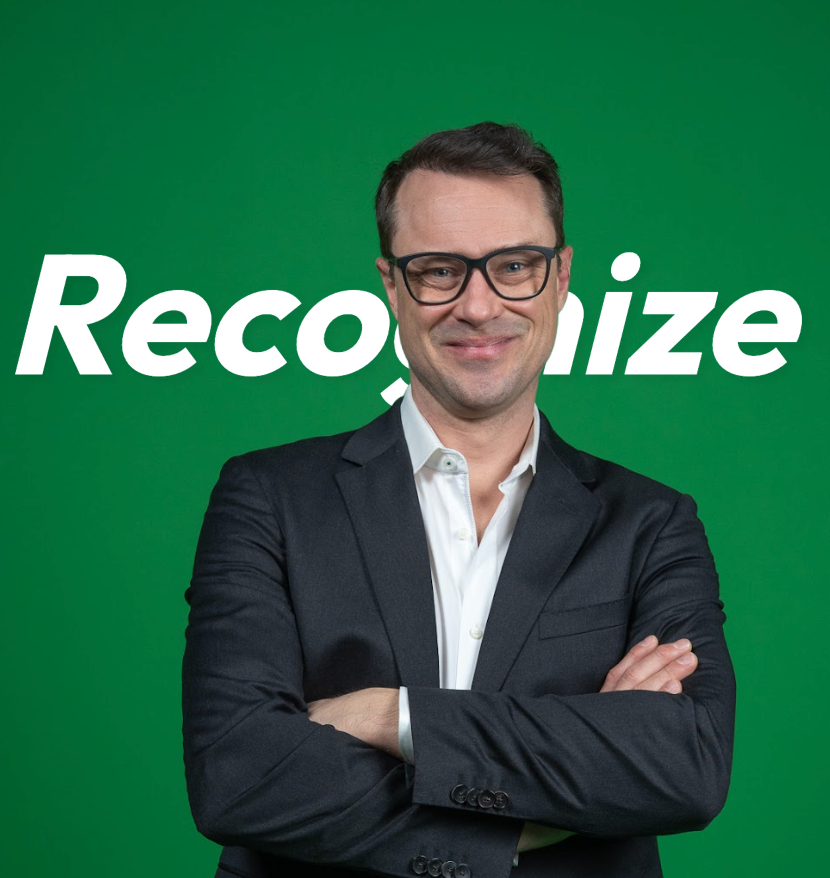
CEO and Co-Founder, Recognize
Alex Grande is a web developer with a passion for motivation and human behavior. Alex has spent over a decade engineering the "Human API", using technology to scale the fundamental psychological need for appreciation.
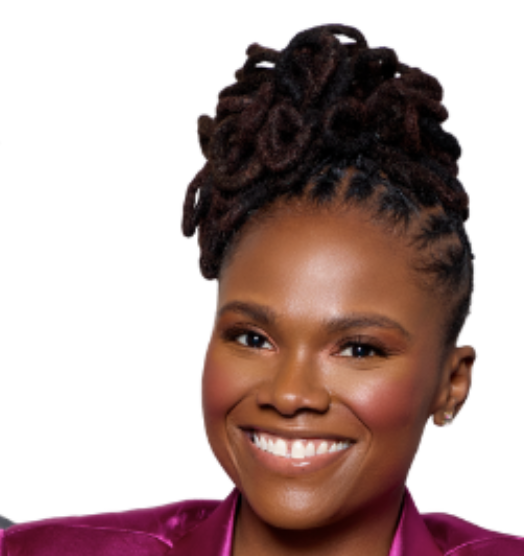
Lead DEIB Educator and Lead HR Advisor, WorkPlace Harmony
Dr. Domonique "Dr. Dom" Revere is a People & Culture Strategist, leadership expert, executive coach, and founder of HRemedy Consulting. She partners with organizations to strengthen leadership, elevate workplace culture, and create environments where people and performance thrive together. With more than 15 years of experience advising executives and organizations across industries, Dr. Dom specializes in leadership development, organizational culture, employee experience, and change leadership. Her work helps leaders translate values into everyday behaviors that build trust, accountability, belonging, and business results. She is the author of Language of the Land: An A–Z Guide for Leaders Elevating Workplaces, a practical leadership resource that equips managers to lead with clarity, courage, and humanity.
Transcript
Alex:
Hello, everybody! We are so excited for this conversation with Dr. Dom on making DEI real. How Managers Create Belonging Through Everyday Recognition and employee experience. This is a topic I'm really passionate about. I'm really excited for everyone to be here.
We have people joining, in real time right now, so while we let people, everyone, come in and get settled, you know, this is a live webinar, which means we're all here in this moment of time together. There's something really meaningful to that. So, let's all share where we're coming in from. You can share something that you want to learn from this, or where you work, but at least, where are you? And it's always great to see, you know, I mean, where we live, that's part of diversity, right?
We all have our own experience, where we're in.
I'm here in the Seattle area.
Born and raised on Bainbridge Island. I've lived in Austin, Texas, so great to see you, Rachel. I go to Austin regularly. Leah, Houston, obviously only 3 hours from Austin, great area. Portland, I'm there a lot as well. Only 3 hours from Seattle. Great to see everyone coming in. Aspen, wow. That would be a cool place to be. Syracuse, that's really cool. Boston, Minneapolis…
This is what I'm talking about. We're all here, we all have our own experience and we bring something to the table. So, if you want to share maybe what industry you're in, as well, you don't need to necessarily share what company you're in.
with, but what industry you're in is always very interesting to know, because that is important as well, so higher education, I see that. Oh, Ukiah, I've spent a… I love… or Hot Springs, Ukiah is a very beautiful place, I love the co-op.
Again, I love the Montgomery Forest with the huge redwood trees, so that's really cool to see Ukiah coming through, Hawaii, love that.
Hey, who doesn't love badass coffee?
I just… I don't… I'll have to check out that brand, I love the name. That's super fun. But yeah, let's, let's get it going in a second here.
And while we all share a little bit about who ourselves, I'll share a little bit about myself to kick it off. My name's Alex. I'm sorry I'm a little bit under the weather, hence my voice, but I'll do my best.
So I am the CEO co-founder of Recognize. It's an employee recognition and reward software. So, obviously, I'm really passionate about the employee experience. My background is in psychology. I publish research in cognitive, social cognition.
And also, I'm passionate around technology and web development, and obviously now AI. So, it's a… it's a…
never been a better time to be alive. It's so interesting what we can do now, with technology, and the world has never been more diverse, so that's really exciting as well.
And we are so lucky to have Dr. Dom with us.
Dr. Dom is a people and culture strategist. She's a leadership expert, an executive coach, and the founder of HR Remedy Consulting.
HR Remedy Consulting. She partners with organizations to strengthen leadership, elevate workplace culture, and create environments where people and performance thrive together. With more than 15 years of experience advising executives and organizations across industries, Dr. Dom specializes in leadership development, organizational culture, employee experience, and change leadership. Her work
Helps leaders translate values into everyday behaviors that build trust, accountability, belonging, and business results. Amazing, right? She's the author of Language of the Land, an A-Z guide for leaders elevating workplace
And a practical leadership resource that equips managers to lead with clarity, courage, and humanity. Thanks so much for being here, Dr. Dom. It's an honor.
Dr. Dom: That's me.
Alex: I'm gonna stop sharing my screen as we'll come back a little bit later on, to mention some things that we're doing next, here at Recognize. But really, this is a conversation with Dr. Dom.
I want to kick it off with a couple things that I think is interesting. You know, we've seen a decrease in, recently, in DEI, a decrease of 23% in the last 5 years, with a 75% decrease in public mention, right? So, it's happening behind the scenes. Executives, for legal scrutiny reasons and other things like that, they're afraid to talk about it.
But…
whenever I see things like that, that's your strategic advantage, right? Like, 30% of companies have a recognition program that's peer-driven, peer-to-peer recognition, right?
Well, that's a strategic advantage. Go after that, right? If everyone else is cutting down on DEI, well, diversity is not going anywhere. It's like… it's like gravity. You can deny it, but it's still happening.
Dr. Dom: Right? Exactly.
Alex: Exactly. So, you can take advantage of that as a business and crush the competition. So it's not just…
Yes, we should do it out of the goodness of our own hearts for morale reasons. But, also…it can increase, profitability as well. And, you know, I think it's really interesting where the world is becoming more diverse. So in 2020, 69% was white, according to the U.S. Census.
2020, 58%, right? So that's an 11% decrease. Hispanic, Latino went from 12% to 18%. And what I think is the most interesting, and I think is the most common is the multiracial. t was 2.4% in 2020? In 2000? In 2020, 10.2%.
So that's a 5-fold increase, so there's gonna be more multiracial, children.
And that makes the world more interesting, more diverse, and that's the future of this world.
Dr. Dom
And I think it's important, too, that these are only the people that felt safe enough, or that were asked, or that sent in, right, the census. So, this only captures not holistically, everybody in our nation, in our world, but maybe even just a small snapshot of what we're seeing and where we're going to be when 2030 comes?
We know that black and brown folks are going to eclipse what we know to be our Caucasian or white population today. So, it's really interesting, and that's just a really small segment, right? When we're even talking about diversity, equity, and inclusion, when we talk about it from a racial perspective, we have to do is really broaden our scope and really look at it from all of our identities.
Not just that race lens. Again, that's where it started, but that certainly isn't where it ends.
Alex: I'm a white guy from an island in Washington, I'm part of the equation, everybody's part of the equation, and that's where we all come together. And I think that's kind of the problem with when people think DEI, they think, "oh, Hispanic, or something like that," when we all have our own experience, and when we come together and respect each other and listen to each other, that's when organizations can really thrive.
I'll just share a couple other things, which is the World at Work reports that diversity and inclusion is now the last priority for total rewards, which I thought was very, interesting. I also saw that there's this idea of the broken rung problem, where for every 100 men promoted, there's 93 women promoted. But then, for women of color, of those 100 men, only 74 women of color are promoted. So we have some room to grow, and again, this could be a strategic advantage, and it is very interesting to consider that 54% of women have reported in 2024 at least one competency-based microaggression that created interruption, it lowered engagement.
So we really need to be looking at this. I am very passionate about it. So I'd love to, turn it over to Dr. Dom. I want to just kick it off. We have about 10 questions to go through, if we can get through it in this, 45-minute session. But just broadly.
Dr. Dom, what does DEI mean to you, and how would you define it in 2026 going into 2027?
Dr. Dom
Yeah, so, again, thank you for having me on. I'm really excited about the conversation. The first thing that I'll say is I'd like for us to take a step back.
And when we talk about DEI, or we talk about diversity, equity, and inclusion, we should add justice in there, we absolutely should add Belonging into there, as well. Whether organizations are explicitly saying DEI, they are still working on it, right? Whether Total Rewards is saying that this is a pot of money that we've set aside for this thing, you are still working on it. And I say that we're still working on it because we are thinking about how are we enabling tech so that we can bring on neurodiverse people into our companies. We're also thinking about it because we're thinking about, what accommodations need to be made. We're going from maternity leave to parental leave. These are all things that we are thinking about as we are in a space where we need to operate differently to make sure that we are meeting people in their moment, in their mess, in this moment in time. So I want to take a step back and just say say, hey, even though the numbers may say people are recognizing, they're not thinking about it, they're not explicitly saying it, you're still working on it, right? It is still something that is noodling in our brains that we have to be intentional, and we have to pay attention to.
And then you'd ask, how do I define DEI?
So…
I define DEI, or diversity, equity, and inclusion, as making the workplace safe.
So, making the workplace safe for everyone, making sure that we are fair, we are equitable, and for me, it also starts with our system. So, it starts with our policies, procedures, our practices, and then we polish it up, dare I say, with programs. But it is making certain that everyone not only feels, but are safe, seen, and heard when they come into the workplace. And that's from
the janitor to the CEO, that's from the white gentleman who sits in the corner office to the black woman down the hallway, and everybody in between. We want to ensure that there is space that is held for us to honor the whole essence of the individual, and that we also, from a leadership or a management perspective, we have the tools in order to do that. And oftentimes, that's where we miss the mark, right? Is that we have the best of intentions, but we don't have the tools or the resources to do it.
Alex: Definitely, I love that. And we have a couple polls, and I'd love, Jade, if you can do the first poll. I'd love to hear from the audience. We have 66 people in the room right now. What best describes your organization's current DEI efforts? And there's just one choice on this one.
But I'd love to just see, you know, you know, the… what's the temperature in the room?
You know, established, structured, all the way down to nothing in place, no plans right now.
So, we'll give people just a moment to do that.
But it does make me think also, you know,
you know, humans, we have biases, we have heuristics, and that's… I think that's why we're affected by
something so shallow as our skin color, but I think diversity and inclusion involves a lot more than that. Like, you know, like, I have ADD, right? What's my experience with ADD? Or someone may have, you know, different sexual orientations. Whatever it may be, that's part of the experience. It's actually much more complicated than just simply.
you know, where did you come from? Which is, like, you know, that classic American question you ask. Everyone asks, like, you know, where's your family from? That's, like, such an American question to ask, because we are a melting pot.
This is great to see. I mean, I was kind of expecting this a little bit, given the conversation. If you come to this conversation, you probably already have some DEI programs going.
But it was interesting to see in this poll right now, 40% are saying that, they're in the early stages, which is great, which shows there's a lot to come, right?
Dr. Dom: Yeah, a lot of investment.
Alex: A lot of investing being made. Only 5% say, we don't have one yet, but we're looking into it. And then… but even… but actually more than that, 9% say they have no program, no plan at all. Well, thanks for coming, appreciate you guys coming.
And then it's great to see that the, 40… most… most of you, 47%, have an established program.
Moving on to another question, when we talk about making DEI real - what does that look like for a manager's everyday work?
Dr. Dom: Yeah, when we talk about making it real, it's really done through the ordinary, everyday management decisions. So, I want us to think about things like who gets invited to the conversation.
Who receives the highly visible assignment? Whose mistakes are treated as learning opportunities and not called out to the carpet, or on the carpet in front of everybody.
who gets meaningful feedback, right? So, who are you having the one-on-ones with on a regular basis? And you're making sure that they have the resources, the tools, the support to then move beyond where they are today. And then, who's ready for advancement? Who's considered ready for advancement? So, when we talk about
you know, things that managers can do today, and how we can make it real. Sometimes it's not about the person that raises their hand, or who's actively engaged. Sometimes it is about what's the experience of the employees, and who's having conversations at the water cooler to say that everything is gravy, or we have some challenges, some opportunities here.
But I would encourage managers as well to examine five areas within their organization, their department, that frequently hides.
Inequities, and that's in our hiring and onboarding.
So, how we're looking at applicants that are coming in, sometimes folks are going to have gaps. Are we willing to have conversations to understand why there may be gaps in employment? When we are looking at education as opposed to what someone's experience is, you all know better than I do that sometimes it's being in the trenches and doing the things that's really going to get you, really proficient in
profound in the thing that we need them to do, but also onboarding, making sure that we're setting people up for success.
So it's not a matter of, here's your desk, here's your monitor, now go with it, but making sure that we have a really intentional laid-out
well-planned and meaningful onboarding experience. Again, meetings and decision-making. Who's at the table? Whose voices are we hearing? Who are we asking to lean in? Who are we assigning those highly visible projects to? And do we do it all the time? Is it the same person? Is it your high performer? Is it the person who hands goes up?
First, really taking some time to sit with that. Some work opportunity and allocation, again, take some time, sit with that. Is it the same person all the time?
Or is it, really dispersed amongst your team? Feedback we talked about, and then also the recognition and advancement opportunities. Are they ready for the next step? Are they 70% there? Can we get them the rest of the way there? Are we having the conversations to know what success looks like and what the expectations are? And are we having those conversations across the board? But also, are we providing the meaning
resources that people need in order to get there. Are we asking the questions? What do you need from me in this season to ensure that you're prepared for whatever comes next?
Alex: Yeah, I mean, it's definitely a skill. You know, most people are not born to know how to recognize people. Most people are not born to…
ask the right people in the room to speak up. You know, there's a whole extrovert-introvert. Extroverts will be talking, talking, talking, which is great. Sometimes you gotta call on certain people. They've found that when you have, like, a naysayer, you know, you're only as strong as your weakest link. The way to combat is to ask everybody in the room, hey, what do you think about this? What do you think about that? So I love that, where there has to be training with managers to teach them, how to elevate certain people to
Because everyone has… something to add, and… but they may not share it naturally.
Yeah, or maybe being able to… okay, maybe they don't like to speak up in meetings, but then work with them to maybe write down their thoughts to then bring it up later, right? Because, I mean, we are at work, we do need to share our opinions, even if you don't feel comfortable, but maybe you can do it in a way that makes comfortable for you.
And that goes into psychological safety, so how can managers create psychological safety without being afraid that they're saying or doing the wrong thing?
Dr. Dom: Yeah. Yeah, and the other thing that I'll add to what you were just saying, Alex, is that because your opinions are tied to your experience, right? So, again, going back to your previous statement around biases.
Like, we want people to share of themselves, as much as they're willing to, so that we become better humans, but we also become a more effective workplace, we become more effective managers, just by way of, right, educating ourselves on things that are happening around us, or the people that we are in the community with. Because that's really what the workplace is, is a big community, if you will.
When you talk about psychological safety, it doesn't mean that everybody's gonna feel comfortable all the time, that everybody's gonna agree all the time, or that the manager is never going to make a mistake. I think from a manager perspective, first off, it's important to know that you're gonna get it wrong.
More often, probably, than you get it right. What employees or team members are expecting is for you to humble yourself when that does happen, so repair the hurt or the harm that has been done in that way. When it's brought to your attention.
The other thing that I'd ask for our managers on the call is to invite honesty. So, ask, what am I missing? What did I get wrong? What do you need from me? How can I show up differently for you in this season, on this project, in this time in your life? But really become genuinely curious. Know that you don't have all of the answers. Just because you sit at the top.
on the org chart does not mean that you are the most qualified, it doesn't mean that you know all of the things, it doesn't mean that you're the most creative, it doesn't mean that you are never going to have questions, but we have to lean in and really utilize our team for what they're there for, and they are there to elevate that department, that function, that project, that program, that enterprise.
And then also, make sure that you're responding without defensiveness.
So sometimes, when I'm being called out, or I'm being called to the carpet, or I have a difference of opinion, I need to maybe process that for… and I generally will give myself 7 seconds to just understand what's coming up for me. Is it something that's happening right here and now, or are there triggers from the last… the last meeting that I was in, a place that I previously worked at?
Maybe something happened at home this morning, whatever that may look like. But get curious, right, before, you know, you start to explain what your intentions are behind it. The goal is never to be perfect. You're human.
Right?
The goal is to make sure ensure that we are connecting with people, and dare I say, again, meeting people in their moment, meeting people in their mess. And if we're able to build, or we're able to ask those questions, then we're able to build trust. And we know that we… I mean, we know that people who know, like, and trust you will go beyond the edges of the earth for you, right? We know that they will go through brick walls because you've got their back, and they have yours.
Alex: Exactly. We're all in this together, we're a team. As a white man, it can be kind of scary, to… because I don't know, I have my own, my worldview has blind spots. I don't know everyone… everyone's experience, and it can be… it can be kind of scary sometimes, because, I don't want to say something that…
is really overall innocuous, but then there's this suddenly vilification, or, you know, you're bad, I'm good. It feels good when you can kind of create that black and white distinction, but, you know, I think there's a lot of people who are now afraid so much now that they're all walking on potato chips, so to speak. And that's why we need to give people sympathy. We have to… if they're on our own team, they have to… hey, let me pull you aside for a second. Even if they're above you, or even a step manager, let me tell you about… I know you didn't mean anything by that, but I want to tell you a little bit more about that. Rather than writing a post on Slack and saying, this person's bad, and all this stuff, and… it can be scary, but at the same time, it's a reaction to where we're at today, with decades of racism, or hundreds of years of just horrible events.
And, but we all gotta work on it together, because we weren't giving people sympathy and helping them seeing what they're missing. And if they don't… if they push back on that, you gotta keep trying. You gotta keep pushing it, but never…
Dr. Dom: Importance of community, right? Like, that's the importance of community and being in relationship with people. Yeah, I mean, I would say I don't sympathize much, but I certainly empathize with folks, right? And be able to extend a level of grace. And, you know, part of that is…becoming curious. I hear you when you say, hey, as a white male, there's some things that I feel like I'm walking on eggshells.
And I get it, right? I absolutely 100% get it. From a practitioner perspective, I would say a few years ago, we did make DEI very divisive, and it was very much so, like, us against them, and you don't know, and you're wrong, and you're bad, and things along those lines. And this is why these types of conversations are very helpful. I think that these… this is why these conversations need to happen more frequently, because this is where we can, again, break down those walls, build bridges to ensure that we have a safe space to ask the questions.
Alex: I don't know…
Dr. Dom: what I don't know, right?
I can only make assumptions based on what I've seen in the media, or based on what somebody else has told me, but that's not always my truth. And when we are willing to unlearn, and when we're willing to be uncomfortable, again, in these safe environments, then it allows us to repair some of the hurt and harm that has happened, and then it also enables us to create new systems. Because for us to believe that we're gonna go back hundreds and hundreds of years to now, unearth and change things. No, we've gotta be able to lay down some things, be willing to lay down some things so that now we can create a new normal, a new truth for all of us, you know, like, in this new age. So, I hear you, and I can certainly understand how it can be a little bit jarring, or certainly how I can be a bit nervous to even broach some… some topics, right? Or some issues, or have a question, because I don't want to get my head bit… bit off type of deal.
Alex: Yeah, definitely, that's really well said, and continuing along that, you know, how can managers determine whether their inclusion efforts are working?
Dr. Dom: Yeah, ask. Right? So I think one thing is ask, and know that just because people show up, it doesn't mean that they are engaged, right? Silence is also an answer. Like, you have to take all of the feedback that you're getting around you. And it's interesting, I was having a conversation this morning.
And telling folks that, you know, 70% of the way that we communicate is through nonverbal cues. So, the fact that we believe that just because somebody is loud or vocal or engaged in that thing, it doesn't mean that they want us to win, it doesn't mean that they… that it's working, it doesn't mean that it's landing in a good place. But I do think that we ask, right? And I know that a lot of people will run
a lot of different surveys, that's one place to start. In running those surveys, however, I would also ask that we incorporate some different questions, one being, do you have a best friend at work? Right? Do you feel safe enough to share of yourself with somebody else at work?
And then the other thing is, I would say, you know, when…
when people aren't saying anything, like, we have to also disrupt the silence and ask for… ask permission for clarity. So…
Clarify what the ask is, clarify what you need from that person, be able to redirect efforts if it's not landing in a good place. If, hey, this is great, but this pizza party and these ping pong tables just ain't working for me, right? Recognition looks different for me, or hey, maybe I want PTO time, or I want a little bit more autonomy, or I want to be elevated, and this is what it looks like.
for me in this season. You know, be able to be open to redirecting what those
conversations may look like, and then also, I think the point, or the place that we sometimes miss the mark is follow-up.
Accountability. So, hold myself accountable to the conversation that we had, and I'm going to follow up, whether I have an answer or not. Obviously, I want to come back, and I want to have an answer or a solution, or we can co-create kind of what this looks like going forward, but even if I don't, making sure that I'm closing the loop, because again, it goes back to credibility and trust. No matter what you look like, where you are on the org chart, what your expectations are, at the end of the day, you want to come to work and feel safe, seen, and heard. So, if I am, from a manager's perspective, doing that on a regular basis, that time that I don't do it, people are going to extend some grace. People are going to say, hey, well, Dom, what's going on? Because generally, this is how I experience you. But if I don't…Close the loop, or if I'm not having intentional conversations, people are going to think that I'm full of you-know-what, and that's not good for anybody. So I would say that we need to interrupt, we need to clarify, we need to make sure that we're redirecting our efforts if it's not landing in a
in a certain place. And then also, we need to follow up. We need to close the loop and make sure that, that all things are hitting home for that person. And knowing that it's not a one-size-fits-all, right? What works for me, what works for you, what works for Jade? What works for Jess? It's gonna be very different, right? So knowing that we need to be a bit nimble in that space is also really helpful to know that we're making the best impact or the effort is then aligning with the impact that we intend to have.
Alex: Yeah, I mean, my, growing up, my friends, my childhood friend's dad was a therapist, and he was very, very successful, and really what he did was he adapted himself to whoever he's talking to, you know? If he's talking to an arborist who's from the country, he speaks differently, you know, and connects with them in the ways that he can connect with them.
And I just wanted, as a side note, I just always thought it was funny about the ping pong table. I love playing ping pong, but most people do not like to play ping pong. It's hard, and we have a lot of space, and it's really loud and obnoxious. So why is that something that we should put in the office? I never really understood that, but,
Dr. Dom: I find it easy, yeah, no, but, you know, the example about your friend's dad, and it's not to mean that we don't want people to be authentic, right? I think that there's something to be said about being strategic, like, strategically authentic, right? And I've been kind of on this soapbox in my circle and community, like, keep your whole and authentic self to yourself and to your family at the Thanksgiving table. When you're at work, you're here to work, right? So you need to be strategic in what parts of yourself you expose and you give and you share when you're in the workplace. And what I hear you say when you're saying, that this person was able to communicate with multiple people. It's meeting people where they are, right? So it's the language that we use, it's the cadence of our voice. Sometimes the pause is the most powerful thing that we can use in order to add in that space and allow for people to think and process and to come to their own, you know, thought or opinion on a subject matter one way or the other, but I just want to add that little nuance, I want you to be authentic. I want you to be who you are and know who your audience is. So part of that also is on the speaker to say, hey, I need to do a little bit of research, or I need to understand the language that they use. It's like starting a new job, and now you've got to learn all of these new acronyms. Yeah, you gotta do a little bit of work to make sure that you're palatable, and make sure that the message is landing in its intended way.
Alex: Yeah. You know, there's that kind of modern phrase, instead of saying, treat others as you want to be treated, it's treat others as they want to be treated, and that takes upfront curiosity. I'd love to cover some, maybe some tactile things, things that people can do specifically. Like, what are some everyday behaviors that you see, that managers can do, or employees can do, leaders can do, that help build that trust, that belonging, that high performance, and especially in the lens of… of remote or hybrid work?
Dr. Dom: Yeah, so I would say be intentional with your time. When I have remote people or folks that are working remote on my team, and when I say be intentional with your time, don't waste mine. So, I want to make sure that I'm putting one-on-one time on the calendar, and I generally will allow my team members to own their own… their one-on-one time. I'm not going to cancel. If we need to reschedule, that's one thing. But never cancel, but always make sure that you have that time. And that time, generally, for me, starts with.
what's going on? What's the position of your heart, how can I help you? So be a servant leader, right? Ask the questions early and often so that you understand what's going on in that person's life. We have to remember that their professional life is should be, I think, a very small part of their identity. So when we are looking to connect and build trust with folks.
We need to get down to the brass tacks, and that's really who they are and their true essence. So, tell me a little bit about you, as much as you're willing to tell, and make sure that you're following up on that.
So again, be and hold intentional time with every person on the team. The other thing is, say what you mean, and mean what you say, and make sure that there's some credibility and follow-up in that space. If I'm asking for your opinion, if I'm sending out a survey, if I'm collecting data points, and then I do nothing with that data, shame on me.
Because now people are just gonna think, hey, well, this is poo-poo. Next time you ask me for my opinion, or next time you ask me to complete something, I'm not going to, because it's a waste of my time. So, again, closing the loop from a credibility perspective also, is helpful in that way. I would also say…look and ask yourself, who's at the table? Whose voice am I hearing a lot of? And going back and inviting folks that generally or typically haven't had access to those rooms, to those tables. What we need more now than anything is
alliances, right? We need people who see the value in other folks before their feet ever cross the thresholds of rooms.
Right? Lots of opportunities land in people's laps, not because of what they know, but it's because of who they know, right? So, making sure that you also are a voice for the voiceless, and I know that sometimes that can be really difficult, because it's like, well, hey, I have no skin in the game. Hey, because you have no skin in the game, it makes it that much better, and it makes it that much more meaningful.
for the individual, and then also for the audience. So, I would say that those are some things. For me, again, it always comes back to being really curious. I want to know what's coming up for the season, for this person. I want to know what I'm missing. I want to know how I can become a better human, a better person, a better leader, a better ally, whatever that may look like. But again, asking the question
going to that person, because again, allyship looks differently for everybody.
Alex: And one thing I've found with remote and hybrid work, when we rely heavily on Slack or Microsoft Teams, that tone of voice is lost.
That body language is lost. Do not write essays to people in DMs, you know, when someone comes into a, you know.
Like, I've had to learn that the hard way. I write my business partner on Slack, hey, why is this… why? You know, the why… the word why, it can be combative, but just by itself. Why is this like this?
And then, I don't know where his head space is in. He comes in, he's already stressed from the last meeting he was in. Now he's getting a message from me, I'm upset about something, now he's reactive, and now we're screaming at each other over Slack. Is that what we want?
So we've learned, we've learned over the years, get on the phone, pick up a phone, call somebody. If you want to send a long message, send an email. Long messages are not meant for Slack - passionate conversations are not meant for Slack. And then, yeah, being curious, use active listening, make sure you heard the person with those… with those passionate conversations. What I'm hearing you say is X. And this works amazingly with your employees, with your spouse.
Now, I do want to ask about changing topics a little bit, you know, we are a Recognition Rewards company, and only 75% of companies have a anniversary program. Like I said, around 30% have a peer Recognition program, which can be a strategic advantage because you can promote certain initiatives, you can promote the values of the organization, the behaviors you want to see more of through positive reinforcement, and then when it's shared publicly on Teams, on Slack, then the whole company knows what winning looks like.
And the more you're winning, the more you're gonna win. People are gonna have FOMO. I wanna win.
So, I'd be curious to talk a little bit about, any ideas you have on how a leadership can use recognition to reinforce culture, reinforce inclusion.
And not just, you know, using Recognition for maybe a sales performative program, but more beyond that, how do you create really a meaningful program while still being authentic with promoting things like DEI?
Dr. Dom: Yeah, yeah. Yeah, one of the things that I've worked with clients on is how do you create a recognition program around your competencies? So, when you say who you are, how does it show up everyday in your business. You know, the same thing as far as, like, your values, your mission statement, so forth and so on. So, it may look like, are there certain behaviors that come up in the organization that you want to elevate.
You want to make sure that people do more of those things, and by that way, again, using your competencies in order to say, hey, this is what the ideal outcome looks like, or this is what success looks like here, as opposed to this person's been here for a long time, it doesn't mean that they're doing great work. They've been there in the organization forever, but every time you ask them to do something additional, it's like, well, that's not my job, or my name's not on the marquee out front.
It comes back to the interact… it's the merit of the person.
How are you showing up? These are the competencies, are you meeting exceeding expectations, and are you doing it on a consistent basis? That's not only a message for what recognition and rewards look like, but that also is an indicator of what your culture is, because if Alex gets recognized because he did one good thing, one good time, and I'm doing something consistently all the time, and I've yet to be recognized.
it tells me something about who your favorites are. Oh, well, maybe Alex is the boss's son, and, right, so nepotism comes, right? All of the things, and now I'm able to also create my own picture of what feels right, or what I'm going to do and what I'm not going to do going forward. So, I say competency-based, merit-based, as opposed to some of those other, like, woo-woo things that, don't tie back to what are the expected behaviors. And those benchmarks that we've said, this is what success looks like.
Alex: That's so funny you mention that, because after college, or during college, I did construction for my dad.
Cause he was a superintendent, so I was the boss's son. These construction guys, they did not hide their feelings about that, and then I worked my butt off all summer to gain their respect, if that boss's son doesn't pull their weight, it can really kill morale.
Dr. Dom: Like you said, like, I'm trying to show you, no, I'm here for a reason. I, like, my merit is why I'm here, not necessarily my DNA. You're right, like, it can be tough, and then the other folks are looking like, oh, you've got a silver spoon, and you're like, actually.
I'm working probably harder than you, because I've got something to prove, not only to you, but then also to Dad, potentially, too.
Alex: They were working pretty hard, though, I have to say, those construction guys, but it was a little bit different, but I hear you. I did end up working really hard, 4 a.m. up every day. Anyway, enough about me. I want to talk a little bit about kind of a harder question. You touched on it about consistency. You know, when we have so many different locations.
Or, you know, when we have different locations, I talk to a lot of customers, companies that have…
you know, different cultures in different locations, even though they're all one company, or they have a merger acquisition, and now it's two different companies, and… you know, I love that show, Silicon Valley, when they had a merger acquisition, and they're having all these conflicting issues between… well, at our company, we did it this way, and all that kind of stuff, so…
How do you, how can you work towards having that consistent culture, or that consistency of recognition and inclusion?
Dr. Dom: Yeah, so that starts at the top. So, when we're having mergers and acquisitions, and we're having conversations with… with clients, it's, what do you want the culture to be? So, maybe it is a merging of a mission statement, it's creating a new mission statement. What are our values? What are the expectations? What behaviors, performance measures, you know, competencies that we're looking at? That all starts at the top. So, our leaders have to be fully invested in ensuring that I am recognizing, I'm rewarding, but I'm also holding myself and others accountable based on what we said to be true about ourselves. And that goes for even an organization that may have multiple… like, a manufacturing organization that has multiple plants or multiple offices.
Right? Like, at the end of the day, it comes down to, are you saying who you said you were, and are you being consistent in that way? Accountability matters, humility matters. There's something to be said about, again, saying what you…
saying not only what you mean, but also making sure that you're continuing to show up in the way that… that I expect, or that I intend to receive you.
But that starts at the top, right? Like, that starts at the top, and when you get off course, are you asking yourself, are you humble enough to allow your board of advisors, so people in your trusted network, to hold you accountable, and or your team, right? So you had talked about
From a manager's perspective, how do I know if I'm doing right?
Are you able to receive feedback from your team and do so in a way that
You know, doesn't get your back up in the air, it doesn't offend you, but it allows you to… to learn from the situation and move forward in a really meaningful way.
Alex: Alright, love that. It's beautiful. I do, I just remember, we do have another poll. Jade, can you share the Recognition poll? I meant to, bring it in before, but I, I know we're rounding out the time. I'd love to hear from people here, you know.
where does your organization stand on Recognition rewards? That's something important to…
to what I do, and I just would love to hear, where you're at, what's the temperature in the room for Recognition or rewards. We do have, I think I'll cut it down to just one more question, and then we'll go into what's next. Or maybe we'll do two more questions if we have time.
So we have 50%, half the room, we have a program, but it needs upgrade or higher engagement. 20%, 21% say they have a structured program that works well, that's fantastic. 25% say, we don't have one, we'd love to start one, so…
while you're talking to the right people, we'd love to connect with you. I missed the last stat, it just closed, but I think it was about 5%, aren't interested. That's, to be expected, you know? There's not… there's always different, conflicting
priorities. Now, this is an important question for me, which is, you know, managers have so much they need to be doing. They're probably doing individual contributor work on top of everything else. They don't need yet another tab in the browser, yet another thing to do.
So what is one habit or practice that can be kind of a lower lift for those managers who are stretched thin that can make a big impact?
Well, there's so many things that we want our managers to be doing. I would say lower lift, is having the one-on-ones consistently. Checking in with your people, having conversations, meeting them in their moments, meeting them in their mess, making sure that you understand what their expectations are, as well as them understanding what your expectations are. That clarity and consistency is going to go leaps and bounds. I say that communication is all about
Clarity, consistency, and consideration. So when you have those things, you know, ever-present, and you're consistent in that way, you're going to build trust, you're going to build credibility, you're going to build teams that,
That continued to show up.
We do not need to have meetings for meetings' sake. We need to make sure that it's driven by an agenda. We understand what the intended outcomes are, what are some action items. And hell, if we don't need to have the meeting, let's say that too? I don't need to hijack your whole calendar because I'm on a soapbox one way or the other, but I would say having the one-on-ones, being intentional with your time, not wasting my time, and also showing up the way that you that you promised me that you would during the interview process. Being consistent in that way.
Alex: Exactly, and what we do is we have our job descriptions in, you know, that is, like, your initial kind of, like.
performance review, that's where we want you to be. You know, the one-on-ones, as a young… when I was a younger manager.
I just wanted to make sure my employees were happy and they didn't quit. So we were just talking about the weather, how their family is, and I was afraid to be like, let's talk about your goals, let's look back at your performance review, make sure that you're continuing to reach the person you want to be, and employee that we need you to be.
And now I'm not afraid to talk about those things. It's important that those one-on-ones aren't just…
you know, I know managers, some of my friend's managers, they just talk about themselves for an hour. That is a huge waste of time, and those employees should just not even go to those meetings, but obviously, you know, we join companies, leave a manager, but I have one more question, we're almost out of time. I think this is a really good question I'd really love to cover.
It's something that everyone can walk away from this session with. For all the HR leaders on the call, all the managers on the call, what is that one action they can take that can make a difference in the next 30 days? What will be one thing that they would do? You mentioned one-on-ones. Anything else you want to cover?
Dr. Dom: I would say do a self-assessment and of your team, and how you're showing up. And in that assessment, ask yourself a couple questions. In these meetings, who speaks, who gets interrupted, who's influencing the decisions that are happening on our team? Who's receiving the stretch assignments and the visibility?
Is feedback equal and specific across the board, or am I just catering it to a certain population of people? Do people feel safe disagreeing in the meeting or with me during our one-on-one?
What also are the patterns for recognizing folks, for promoting people, for off-boarding people? What do those patterns look like, and who are the folks that are impacted? And then, are the concerns that are being brought up, am I acknowledging them? And or am I pacifying people? Am I following up? And what does that kind of loopback or that closeout process look like? So I would say, if people really want to be impactful, I would start with me. Start with self, get really curious about how I'm showing up in the space, do the self-assessment, then ask your team, right? Do that 360, if you will, and ask your team how you're showing up, but also be committed to making changes when and if you get that feedback. So, don't be committed to being where we are today, but also think about what does progress look like, and be honest with yourself, be honest with the team. Hey, I got a lot of great feedback, and these are some things that I'm really struggling with. I value the feedback, and these are the things that I'm gonna work on in the next 30 days. I need for you all to hold me accountable. I'm allowing you to call me down to the carpet, and do so respectfully, right? But I'm allowing you to call me down to the carpet, because I want to be a better leader, for you, for me, for us collectively, in order to move and progress the department forward. So I would say start with me, right? Get really curious about who you are.
Alex: I love that, and I'm gonna, change it over. We're almost out of time, I wanna make sure that everyone is aware, and I'm gonna say one thing in response to that, but I'm gonna first make sure that everyone knows that, hey, if you want to learn more about RECOGNIZE, you want to have higher engagement, you wanna start a Recognition program.
Come to our live demo, it's with our team, it's on August 27th, or reach out to me, there's, in the chat, alex@Recognizapp.com. Love to connect and talk about how we can improve your recognition program, either your existing program, or use our platform to do it. And if you come, you have a chance to win $100, which is actually pretty good odds, I'm gonna have to say.
And we keep doing sessions like this, so please come to our next webinar, which is on August 13th.
I'll be leading that one. Values in Action, how mission-driven companies operationalize Core Values. I did want to say, as a response to what you said, around looking at yourself.
I read this in a book once, it's a very scary thing to do, but every few years, go to… I go to my sister. I go to my best friends and ask, "Hey, what's the worst thing about me?"
Not a lot of people will want to answer it, and sometimes, you know, I was in the car with my friend Kris, I said, hey, what's the worst thing about me?
He joked, oh, there's nothing you can do, and then he kind of noodled on it, and he's like, okay, here's something. You know, because it's a little scary, because you don't want to hurt someone's feelings, but my sister responded immediately and said exactly what she was thinking, because she's family.
But yeah, ask the people closest to you, what's one thing that you would prefer me to do differently?
And that's a scary thing to ask, again, but we all gotta do it. Just a great way to be better at webinars is going back and listening to yourself speak. It's cringe-worthy, but we gotta do it. But again, come to our live demo, August 27th, or just reach out to us. We can do a one-on-one with me.
I hope you can tell I'm not much of a sales guy. And going back, if you want to connect with Dr. Dom.
Go to her website, hremedyconsulting.com.
Dominique@HRemedyConsulting.com. I'm sure you can find her on LinkedIn as well. A quick search, you can find me on LinkedIn, Alex Grande, you can Google me as well. And that is our session. Any closing thoughts as people start to head out, Dr. Dom?
Dr. Dom: No, I just want to say thank you, like, thank you for attending what I think is a really important conversation that we continue to carry on. Again, folks, I don't care what we call it, DEI, restorative justice, like, I just want us to do the work.
And really, that work is about being curious, it's about being more humble and human, because we gotta do life together when it all comes down to it? We are not an island, and we need each other to make certain that we only continue to progress forward, use our brilliance, use our beauty in order to do that. But it starts with first, the reflection of self, And then being able to, again, ask meaningful questions of others.
Dr. Dom: Buy the book! Buy the book! The book will take you through, right, language of the land, it will take you through, a number of great, just practical ways. It is not anything around, like, thought theory, but it is around thought leadership, it really is a practical guide to elevate your workplaces over the next 60 days using
the alphabet, A to Z.
Alex: Dr. Dom, where would I go and find language of the Land? Amazon?
Dr. Dom: Language of the Land is on Amazon, or you can find it and purchase it from our website, www.HRemedyConsulting.com.
Alex: I love that. Well, thanks so much for your time, this was super fun. We used just about the full hour, which goes to show you it was a good conversation.